What Is Traditional Dress? Meaning, Cultural Significance & Modern Relevance
April 1, 2026 – Sanghamitra Ghosh


What is traditional dress? Traditional dress is clothing that reflects a community’s cultural identity, heritage, and values. These garments are often handcrafted using regional techniques and fabrics, worn during festivals, ceremonies, or daily life. They preserve artisan traditions, carry symbolic meaning, and continue to influence contemporary fashion worldwide.
What is traditional dress? In simple terms, it is clothing that represents the cultural and historical identity of a community. At Nilam India, we celebrate these garments, bringing handmade dress for women and artisan-led designs into modern wardrobes. Traditional dress is not just attire; it is a statement of heritage, personal identity, and sustainability. In today's fast fashion world, understanding what is traditional dress helps us appreciate cultural storytelling, ethical craftsmanship, and timeless style while making conscious fashion choices.
What Is Traditional Dress?
Traditional dress refers to clothing that is rooted in a particular culture, region, or community. It carries historical significance, often handmade using techniques passed down through generations.
Key Characteristics of Traditional Dress
- Cultural Roots: Reflects customs, heritage, and societal values.
- Region-Specific Styles: Different regions have unique designs, fabrics, and patterns.
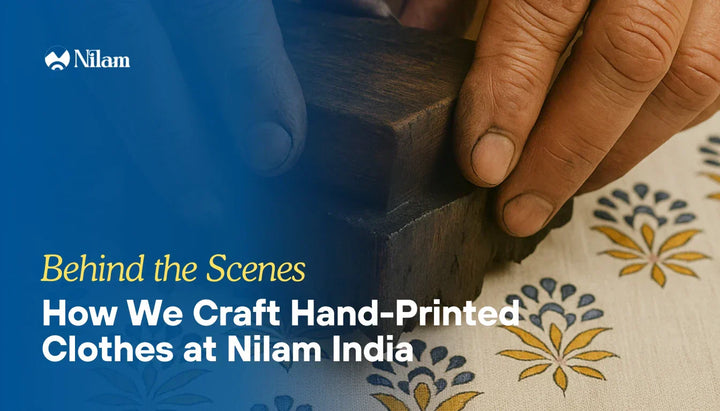
- Handmade or Heritage Techniques: Includes handloom weaving, embroidery, block printing, or other artisanal methods.
- Occasion-Based Use: Worn for festivals, weddings, rituals, or sometimes everyday life depending on the culture.
Key Elements of Traditional Clothing
- Fabric: Cotton, silk, wool, or locally sourced materials.
- Craft: Handloom weaving, block printing, embroidery, and applique work.
- Design Symbolism: Motifs, colors, and patterns often convey cultural stories or beliefs.
Understanding what is traditional dress at this level allows people to see beyond fashion—it is an expression of culture, identity, and craftsmanship.
Why Traditional Dress Is Important in Culture
Traditional dress is a vital aspect of cultural identity. Wearing traditional clothing connects individuals to their heritage, strengthens community bonds, and communicates values across generations.
Cultural Significance
- Festivals, rituals, and ceremonies are often centered around specific traditional garments.
- Generational storytelling is preserved as elders pass down the knowledge of weaving, dyeing, and styling techniques.
- Traditional dress fosters a sense of belonging and pride in one’s roots.
Traditional Dress as Living Heritage
- Traditional garments are more than attire; they are living heritage.
- Preserving craft traditions through clothing ensures that ancient techniques like handloom weaving and block printing survive.
- Supporting artisans through ethnic dresses for women and other traditional garments helps sustain rural communities and keeps cultural craftsmanship alive.

By understanding what is traditional dress, we recognize the value of protecting these age-old practices while supporting ethical, artisan-led production.
Types of Traditional Dresses Around the World
India
- Saree worn in various draping styles
- Lehenga as festive or wedding attire
- Salwar Kameez for both casual and ceremonial wear
- Kurta Pajama and Sherwani for men
Japan
-
Kimono for cultural ceremonies and formal occasions
Scotland
-
Kilt worn during cultural celebrations and Highland games
Middle East
-
Abaya and Thobe worn for religious or formal settings
Other Regions
-
Various countries have garments unique to their climate, history, and traditions, highlighting the global importance of traditional dress.
Exploring these examples helps understand what is traditional dress in a broader, worldwide context.
Traditional Dress in India
India is home to some of the richest and most diverse traditional garments, which vary by region, occasion, and community.
Popular Traditional Dresses for Women
- Saree with regional weaving styles such as Banarasi or Kanjeevaram
- Lehenga paired with blouse and dupatta for festive occasions
- Anarkali long kurta for formal events
- Salwar Kameez combining comfort with tradition
Traditional Dresses for Men
- Kurta Pajama for daily and ceremonial use
- Sherwani for weddings and formal events
- Dhoti as a traditional lower garment representing regional culture
Regional Variations
- North India: Heavy embroidery, bright colors, and ornate fabrics
- South India: Silk garments with temple motifs
- East India: Fine weaving, applique, and intricate patterns
- West India: Bandhani prints, mirror work, and vibrant designs
By exploring these styles, one can better understand what is traditional dress and the craftsmanship behind each regional variation.
How Traditional Dress Has Evolved in Modern Fashion
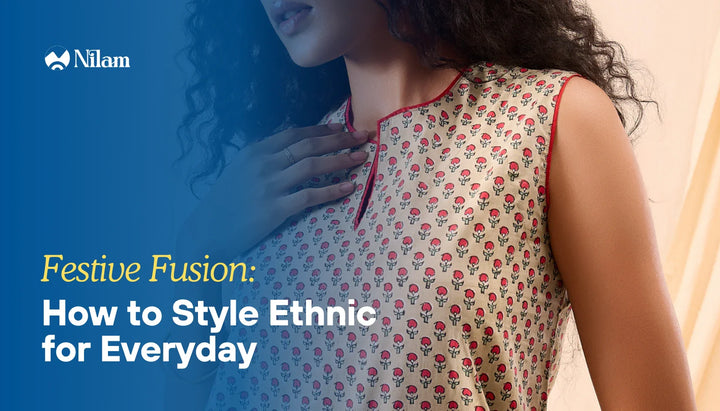
Traditional dress is no longer limited to festivals or rituals. Modern fashion has embraced these garments, adapting them for everyday wear.
- Fusion Wear: Combining traditional elements with western silhouettes for versatility and style
- Everyday Adaptations: Lighter fabrics, simpler designs, and breathable materials allow traditional dress for girls and women to wear cultural garments comfortably every day
- Comfort-Driven Styling: Minimalist pieces, functional tailoring, and soft fabrics have made traditional dress practical while retaining cultural aesthetics
-
From Occasion Wear to Daily Style: Heavier, ornate fabrics are replaced by breathable cotton and linen for everyday comfort
Minimal designs ensure wearability without losing the heritage appeal

Understanding what is traditional dress today means appreciating garments that honor heritage while adapting to modern lifestyle needs.
Traditional Dress vs Modern Fashion
Traditional Dress
- Heritage-based designs
- Handmade craftsmanship
- Timeless aesthetic
- Cultural storytelling
Modern Fashion
- Trend-driven
- Machine-made
- Fast-changing styles
- Global influence over local culture
The comparison emphasizes the value of slow fashion, sustainability, and artisan empowerment inherent in traditional dress.
The Rise of Conscious Fashion & Traditional Clothing
Consumers are shifting toward fashion that is ethical, sustainable, and meaningful.
Why Traditional Techniques Matter Today
- Hand block printing and natural dyes reduce environmental impact
- Small-batch production ensures high quality and longevity
- Supporting artisan communities helps preserve cultural skills and rural livelihoods
Sustainability and Craftsmanship
By understanding what is traditional dress, consumers can make choices that respect the environment, support communities, and prioritize high-quality clothing over disposable trends.
How to Style Traditional Dress in a Modern Way
- Pair traditional garments with minimal accessories for everyday elegance
- Mix traditional pieces with western clothing like jeans, skirts, or jackets
- Choose breathable fabrics for all-day comfort without compromising style
How to Choose the Right Traditional Dress
- Consider the occasion, climate, and season
- Select fabrics suitable for comfort and durability
- Balance personal style with practicality
Learning what is traditional dress helps individuals make thoughtful fashion decisions while celebrating heritage.
Experience the Craftsmanship of Traditional Dress With Nilam India
If you're curious about what is traditional dress and how it can fit into your everyday wardrobe, Nilam India offers thoughtfully handcrafted apparel that bridges heritage and modern comfort. Drawing deeply from traditional printing and dyeing techniques, each piece at Nilam India is made with pure cotton, AZO‑free colors, and artisan expertise. These garments celebrate textile heritage while remaining breathable, comfortable, and suitable for daily life or special occasions.
Explore collections of dresses for women, tops, kurtis, co‑ord sets, skirts, and handmade accessories that bring the soul of Indian craft into contemporary style. Discover how tradition can be beautiful, sustainable, and meaningful — and let your wardrobe reflect purpose with each piece you wear.
Conclusion
Understanding what is traditional dress helps us appreciate garments as more than clothing. They are a celebration of heritage, culture, and craftsmanship. From festivals to daily life, traditional dress connects generations, supports artisans, and inspires sustainable fashion choices. By embracing these timeless styles, we honor both history and conscious modern living.
Frequently Asked Questions
Q1. How can I wear traditional dress daily?
You can wear traditional dress daily by choosing lightweight, breathable fabrics such as cotton or linen. Fusion styles that combine western clothing elements with traditional garments make them comfortable and versatile for everyday wear.
Q2. Can traditional clothing be adapted for modern fashion?
Yes, traditional clothing can be adapted for modern fashion through fusion wear, minimalistic designs, and comfortable fabrics while retaining cultural motifs and heritage craftsmanship.
Q3. Is traditional dress only for special occasions?
No, traditional dress is increasingly worn in daily life, especially with comfortable fabrics and modern adaptations that make them practical for work, casual outings, or social gatherings.
Q4. Will wearing traditional clothing support artisans?
Yes, purchasing handmade traditional garments directly supports artisan communities, preserves craft traditions, and promotes ethical, sustainable fashion practices.
Q5. What is traditional dress in simple words?
Traditional dress is clothing that represents a community’s culture, heritage, and identity. It is often handmade, passed down through generations, and worn during ceremonies, festivals, or sometimes daily life.
Q6. Why is traditional clothing important in culture?
Traditional clothing preserves cultural identity, conveys historical values, and connects generations. It is an essential medium for storytelling, rituals, and celebrating heritage.
Q7. How do I choose the right fabric for traditional dress?
Select fabrics based on climate, occasion, and comfort. Cotton and linen are ideal for summer and daily wear, while silk, wool, or blends are suitable for ceremonies and formal events.
Q8. Can traditional dress be sustainable and eco-friendly?
Yes, traditional garments often use natural fabrics, eco-friendly dyes, and small-batch handmade production, making them more sustainable than mass-produced modern fashion.